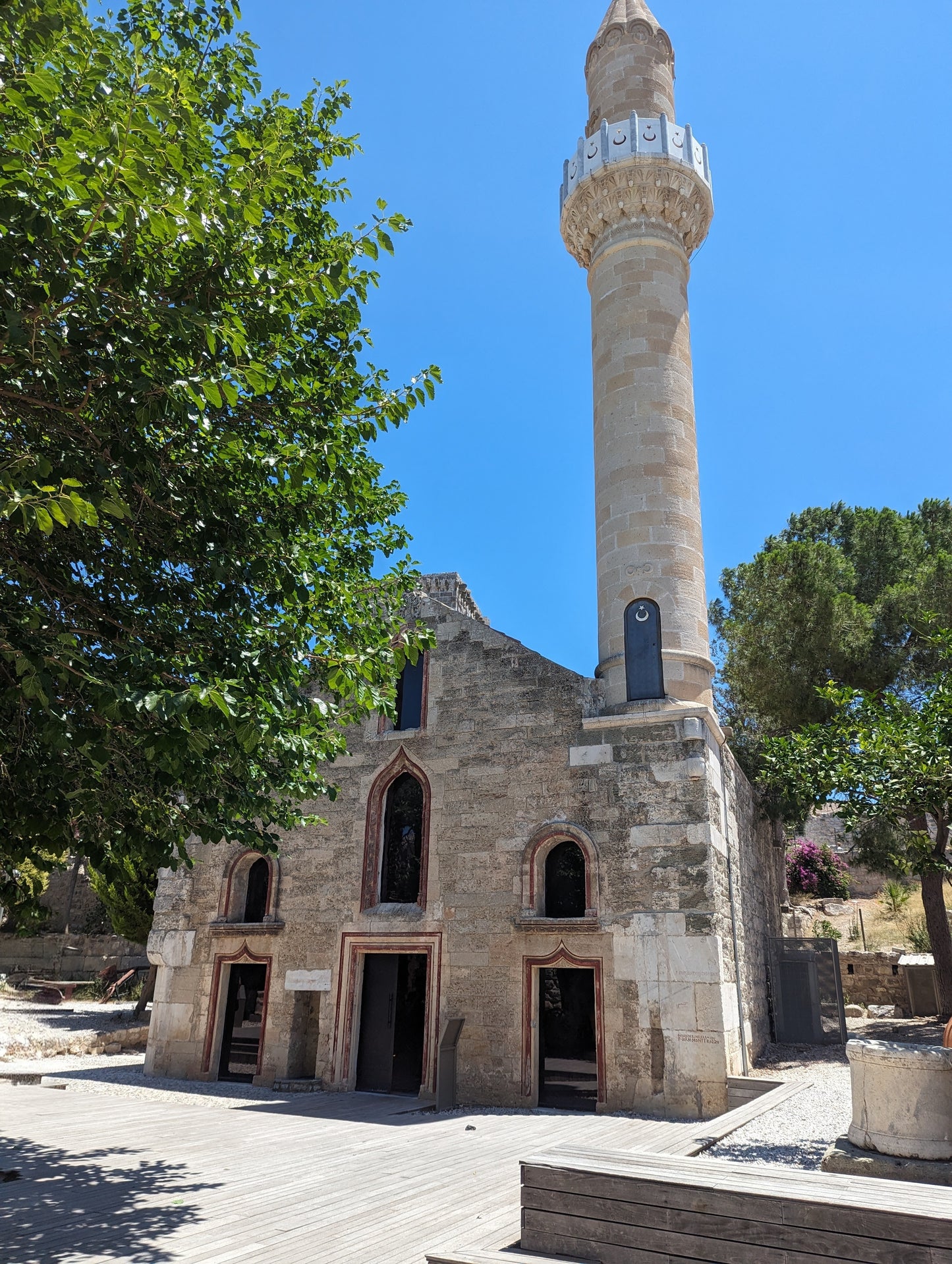

The Seljuks and the Crusades
The Seljuks and the Crusades
Couldn't load pickup availability
Instructor: Dr. Yakoob Ahmed
Date/times:
July 5 - August 23, Sundays 10 AM - 12 PM US Eastern Standard Time
Note:
Final course registration is subject to a short application process, the instructor and/or AlQasas administration may refuse registration to any individual at their discretion.
Course summary:
This course will chart how in 1071 the Seljuks had managed to defeat the Byzantines and Manzikert, seen as one of the most significant victories for the Muslims at the time, how then only 28 years later in 1099 the Crusaders took Bayt al-Maqdis. Much of the narratives then focus on the success of Salahauddin Ayoubi in his defeat of the Crusaders, but what is often missing is that this victory was generational, that included a host of moving pieces that included the Fatimids, the Seljuks, and other Muslim dynasties at the time. The course will also examine institutional changes and other people who had been part of the process in achieving the victory, people like Alp Arsalan, Nizam al-Mulk, Abu Hamid al-Ghazzali, Imad and Nur al-Din Zengi. It will also take a critical eye of the period try to help the student understand the complex dynamics between inter-Muslim contestations and victories and losses.
Learning outcomes:
• Analyse the political and military significance of the Muslim victory at the Battle of Manzikert and its impact on the balance of power in the eastern Mediterranean.
• Explain the factors that contributed to the capture of Jerusalem by the Crusaders in 1099 despite earlier Muslim successes.
• Evaluate the roles played by major Muslim dynasties, including the Seljuk Empire and Fatimids, in shaping the political and military landscape of the Crusading era.
• Assess the contributions of key historical figures such as Alp Arslan, Nizam al-Mulk, Abu Hamid al-Ghazali, Imad al-Din Zengi, Nur al-Din Zengi, and Salah al-Din Ayyubi in the gradual process that led to Muslim victories against the Crusaders.
• Examine the institutional, intellectual, religious, and military developments that contributed to the revival of Muslim political power during the twelfth century.
• Critically evaluate the concept of Muslim victory as a generational achievement rather than the accomplishment of a single leader or military campaign.
• Investigate the relationship between political fragmentation, inter-Muslim rivalries, and the challenges of confronting external threats during the Crusading period.
Course schedule:
|
The Seljuks and the Crusades |
||
| Sundays 10 AM - 12 PM EST US Eastern Standard Time | ||
|
Week 1 |
July 5 |
The Seljuk Victory of Manzikert |
|
Week 2 |
July 12 |
The building of institutions and Islamic eco system |
|
Week 3 |
July 19 |
The Fatimids |
|
Week 4 |
July 26 |
The Crusaders take Bayt al-Maqdis |
|
Week 5 |
August 2 |
The Weak Muslim Response |
|
Week 6 |
August 9 |
Imad al-Din Zengi |
|
Week 7 |
August 16 |
Nur al-Din Zengi |
|
Week 8 |
August 23 |
Salahuddin Ayoubi |
|
Week 9 |
August 30 |
Possible review/makeup |
For financial assistance consideration, please send an email to info@alqasas.org
Share